
 Rohan
Rohan
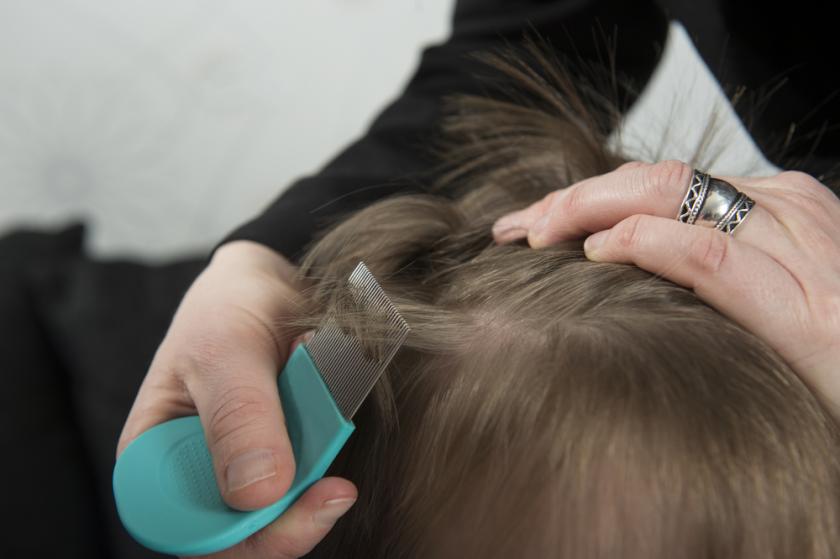
Head lice at school is a common issue among children. Learn effective solutions, prevention tips, and parent-friendly advice that actually works.
Head Lice At School: A Common Problem Among Elementary School Children
Why do kids always seem to bring home more than just homework? 🧐
That itchy little surprise hiding in their hair?
Yep, head lice. It’s a parenting nightmare that no one wants to talk about. But nearly every family faces it, more so when your child is in elementary school.
Let’s cut to the chase: head lice at school is super common and nothing to be ashamed of. But how can you deal with it fast, prevent future outbreaks, and keep your kiddo itch-free? Read on—we’ve got you covered.
🧠 What Exactly Are Head Lice?
Head lice are tiny wingless insects that live on the scalp and feed on blood. Gross, right? But it’s important to know the basics:
- Size: About the size of a sesame seed.
- Color: Grayish-white or tan.
- Spread: Through close head-to-head contact (not from pets or uncleanliness!).
They lay nits (eggs) on hair shafts close to the scalp, which hatch within 7–10 days.
📊 How Common Are Lice in Elementary Schools?
Head lice are extremely common in schools. Check out this snapshot:
| Statistic | Detail |
|---|---|
| Annual U.S. cases | 6 to 12 million children aged 3–11 |
| Most affected group | Elementary school kids, specially girls |
| Main transmission | Direct head-to-head contact during play or activities |
Don’t panic—this isn’t a sign of poor hygiene. Anyone can get lice!
😳 Why Head Lice Loves Schools
Lice thrive in environments where children are in close quarters:
- Group seating arrangements 🪑
- Shared headphones 🎧
- Sleepovers or nap time 🛌
- Hugging and photo ops 📸
Kids just don’t think about personal space the way adults do.
🕵️ How to Spot the Signs of Lice
Here’s what to look for if you suspect lice:
- Intense itching on the scalp
- Red bumps or sores from scratching
- Tiny white or yellowish specks (nits) near the roots
- A crawling sensation on the scalp 👀
Sometimes lice don’t cause itching until weeks after infestation, so stay alert.
🧴 Treatments That Work (And Ones That Don’t)
Treating lice doesn’t have to be overwhelming. You’ve got options:
Effective Treatments:
- Over-the-counter shampoos (like Nix or Rid)
- Prescription treatments (Sklice, Natroba)
- Wet combing with a fine-tooth nit comb 🪮
Not So Effective:
- Mayonnaise (urban myth!)
- Vinegar
- Essential oils (inconsistent results)
Pro Tip: Always repeat treatments in 7–9 days to kill newly hatched lice.
🪮 The Importance of Nit Combing
Even if you use a lice shampoo, nit combing is essential. Why?
- It removes eggs that shampoo can’t kill.
- Prevents re-infestation.
- Keeps you actively monitoring the situation.
Use a metal nit comb, not plastic. Comb daily for 10–14 days.
🧼 Cleaning Your Home Without Going Overboard
You don’t need to burn your house down! Just focus on key items:
Wash in hot water & dry on high heat:
- Bedding
- Pillowcases
- Hats and scarves
Seal in a bag for 48+ hours:
- Stuffed animals 🧸
- Hair accessories
Vacuum sofas, car seats, and rugs. No need for fumigators or insect bombs.
📚 School Policies on Lice: What Parents Need to Know
Schools usually have a policy for managing lice:
- Many have dropped the “no-nit” policy.
- Children may return to school once treatment starts.
- Notifications may go out to classrooms.
Stay in touch with the school nurse and follow their guidance.
💬 How to Talk to Your Child About Lice
Keep the conversation low-pressure and kind. Try something like:
“Lice are just little bugs that like to live in hair. You didn’t do anything wrong—we’ll fix it together.”
Help them understand it’s normal and temporary.
😷 What NOT to Do When Your Child Gets Lice
It’s tempting to overreact, but here’s what to avoid:
- Don’t shave their head unless they want to.
- Don’t blame them or make them feel dirty.
- Don’t treat everyone unless they have lice.
- Don’t use kerosene or bleach (seriously, don’t!) 🚫
🛡️ Preventing Future Outbreaks
You can’t stop all lice, but prevention helps:
- Teach kids to avoid head-to-head contact
- Keep long hair tied back
- Don’t share hats, brushes, or headphones
- Use preventative sprays with tea tree oil 🌿
Routine checks help catch lice early!
👩🏫 Tips for Teachers and School Staff
Educators can play a big role in lice management:
- Educate students about personal space
- Keep shared items to a minimum
- Alert parents early if lice are spotted
Partnering with families makes lice outbreaks more manageable.
🧍♀️ Peer Pressure and Embarrassment: Let’s Talk
Lice can be a big source of shame for kids. Help your child cope:
- Remind them it happens to everyone
- Avoid using “gross” or “dirty” when discussing it
- Normalize treatment and recovery
Create an environment of empathy at home and in school.
📈 Lice Prevention Product Comparison
| Product | Type | Key Benefit | Cost |
| Nix | OTC Shampoo | Kills lice & some nits | $15–$20 |
| Fairy Tales Spray | Daily Spray | Prevents infestation | $12–$18 |
| LiceGuard Comb | Nit Comb | Removes eggs manually | $10–$15 |
Preventative products can be useful, but they’re not foolproof.
🧑⚕️ When to See a Doctor
See a healthcare provider if:
- OTC treatments don’t work
- Scalp gets infected
- You’re unsure if it’s lice or something else
They can prescribe stronger treatments if needed.
🧠 Mental Health Check: Parents Need Support Too
Dealing with lice can feel overwhelming. Remember:
- You’re not alone
- It doesn’t reflect on your parenting
- There’s a solution—you can handle this 💪
Take a deep breath. You’ve got this.
🤝 Wrapping It Up: You’re Not Alone in This Fight
Head lice at school are a common, treatable, and temporary problem. With the right tools, calm mindset, and a little patience, your family will be back to normal in no time. Empower your child, work with the school, and don’t sweat the small stuff (even if it crawls).
❓FAQs About Head Lice at School
1. Can my child go to school with lice?
Yes, many schools allow children to return once treatment begins. Check your local school policy.
2. Do lice jump from head to head?
Nope! They crawl. So close contact is the main way they spread.
3. Are lice dangerous?
Not at all. They’re annoying, but they don’t spread disease.
4. Should I treat everyone in the house?
Only treat those who have lice. But check everyone regularly.
5. What’s the best lice prevention method?
Avoid head-to-head contact, tie back long hair, and do regular checks.
📚 References
- https://www.cdc.gov/parasites/lice/head/schools.html
- https://www.aap.org/en/patient-care/head-lice/
- https://www.ncbi.nlm.nih.gov/pmc/articles/PMC7700644/
Infographic provided by American Pest Management


