
 Rohan
Rohan
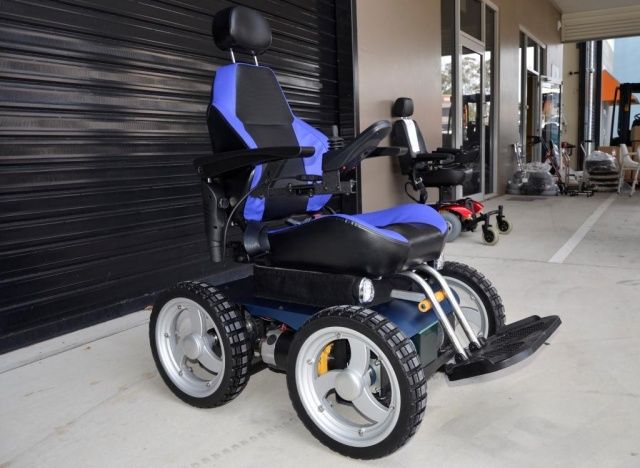
Managing family days out with a wheelchair is easier than ever with these 15 inclusive tips. Plan accessible, fun-filled outings and build beautiful memories.
Managing Family Days Out with a Wheelchair
Ever been excited about a family trip only to find out the place isn’t wheelchair-friendly? 🙁
You’re not alone. For families with mobility needs, a little extra planning can make a big difference.
Good news? With the right mindset and preparation, you can make family outings inclusive, fun, and totally stress-free. 🎉 Let’s break down everything you need to know.
🗺️ 1. Plan Like a Pro: Accessibility Comes First
The best family trips start with good planning. Accessibility info isn’t always obvious on websites. So, don’t hesitate to call ahead and ask specific questions like:
- Are all entrances wheelchair accessible?
- Are restrooms fully ADA compliant?
- Any steep hills, gravel paths, or stairs?
- Is there accessible parking close by?
🧠 Pro Tip: Use Google Street View to scout the terrain ahead of time.
🌍 2. Choose Truly Wheelchair-Friendly Destinations
Some spots are built for inclusion. Others… not so much.
Top Wheelchair-Friendly Picks in the U.S.:
| Destination | Why It’s Great |
|---|---|
| Morgan’s Wonderland, TX | Fully inclusive theme park designed for everyone |
| Yellowstone National Park | Paved paths and accessible shuttle systems |
| Disney World, FL | Accessibility programs for rides, rest, and dining |
✅ Look for destinations certified by organizations like the ADA or Journeyable.
👜 3. Smart Packing = Smooth Experience
Pack for comfort, care, and contingencies. Your bag should include:
- Medications and first-aid
- Snacks and hydration
- Rain cover or umbrella
- Portable wheelchair ramp
- Backup power or batteries for electric chairs
- Sanitizing wipes and a blanket
🎒 Keep a checklist on your phone for each trip to avoid forgetting essentials!
🚌 4. Accessible Transportation Is Key
Not all transportation is created equal. Always confirm if:
- Uber WAV (Wheelchair Accessible Vehicle) is available in your area.
- Rental vans come with ramps/lifts and tie-down systems.
- Public transport has elevators, ramps, and priority seating.
Bonus Tip: Book transportation in advance. Don’t leave it to chance!
📱 5. Use Tech to Your Advantage
Let your phone do some of the legwork! 📲
- AccessNow: Find and rate accessible spots
- Wheelmap: Global map of wheelchair-accessible locations
- AllTrails: Filter trails by wheelchair accessibility
💡 Crowdsourced reviews are gold—trust the real experiences of other families like yours!
🏞️ 6. Look for Nature-Based Options
Think nature’s off-limits? Think again. 🌳 Many parks have:
- Paved scenic loops
- Beach wheelchairs
- Adaptive equipment rentals
- Elevators for scenic lookouts
Accessible Nature Hotspots:
| Park | Accessibility Features |
|---|---|
| Grand Canyon South Rim | Paved walkways, shuttles with lifts |
| Acadia National Park, ME | Carriage roads for wheelchair access |
| Yosemite, CA | ADA trails and accessible viewpoints |
👪 7. Get the Whole Family Involved
Make it a team effort! Talk to the kids about:
- Helping with ramps or doors
- Understanding accessibility signs
- Being patient when things take longer
❤️ Teaching compassion and inclusion is just as important as the outing itself.
🧭 8. Have a Flexible Itinerary
Things can change fast—weather, terrain, crowds. So keep your plan open and adjustable.
Build in buffer time for:
- Bathroom breaks
- Elevators or detours
- Rest periods
And always have a Plan B in case your original plan doesn’t pan out.
🛑 9. Avoid High-Stress Times
Want to skip the chaos? Avoid:
- Weekends at peak hours
- Summer tourist surges
- Holiday crowds
Instead, go:
- Early in the morning
- Mid-week
- During off-seasons
🧩 10. Take Advantage of Special Programs
Many venues offer perks for accessibility:
- Skip-the-line passes
- Reduced or free admission
- Companion tickets
Don’t be shy—ask for what’s available!
🎠 11. Prioritize Inclusive Entertainment
Choose activities everyone can enjoy:
- Zoos and aquariums (flat paths!)
- Adaptive sports (yes, you can ski in a chair!)
- Accessible museums with audio and tactile tours
- Sensory-friendly theaters or amusement parks
🧒 12. Involve the Wheelchair User in Planning
They know best what works and what doesn’t. Ask questions like:
- “What are you most excited about doing?”
- “Anything that would make you more comfortable?”
- “Do you want quiet spaces or more action?”
Empower them. It builds confidence and helps make better decisions.
📣 13. Share Feedback with Locations
Let businesses know how they did! Leave reviews about:
- What went right
- What could improve
- If you’d recommend them to others
🗣️ Your voice helps the next family have an even better experience.
📷 14. Capture the Memories
Don’t forget to enjoy the moment. Take photos, laugh at hiccups, and write down the best parts of the day.
- Create a “Family Adventure Journal”
- Print a photo collage after each trip
- Start a social media page to share tips with other families!
💖 15. Celebrate Every Outing
Whether it’s the zoo or a picnic at the park, each trip is a victory worth celebrating.
Small wins = big memories. 🥳
Make a tradition of celebrating with ice cream, a movie night, or storytelling around the table.
✨ “Accessibility isn’t just about ramps; it’s about respect, joy, and inclusion.” ✨
Final Thoughts
Managing family days out with a wheelchair doesn’t have to be a hassle. It can bring your family closer. With planning, tech tools, flexibility, and love, you can turn ordinary days into extraordinary memories—no matter what wheels you’re rolling on. 🛞💙
🙋♀️ FAQs
Q1. What are some free wheelchair-friendly activities for families?
A1: Try local parks with paved trails, museums with free days, inclusive playgrounds, and accessible libraries or community events.
Q2. How do I find beach wheelchairs near me?
A2: Search your local coastal town’s parks department. Many offer free rentals on a first-come basis.
Q3. Can amusement parks accommodate wheelchairs?
A3: Absolutely! Most major parks have skip-the-line passes, lift systems for rides, and accessible rest zones.
Q4. What’s the best time of year for accessible family travel?
A4: Late spring or early fall—milder weather and fewer crowds make it easier to navigate comfortably.
Q5. How do I make my own home outings more accessible?
A5: Install temporary ramps, use adjustable seating, or create an outdoor space with flat surfaces for inclusive backyard fun.
Ready to roll into your next family adventure? 🧭💫 Let accessibility lead the way—and make every day out, one to remember.
