Rohan
Rohan
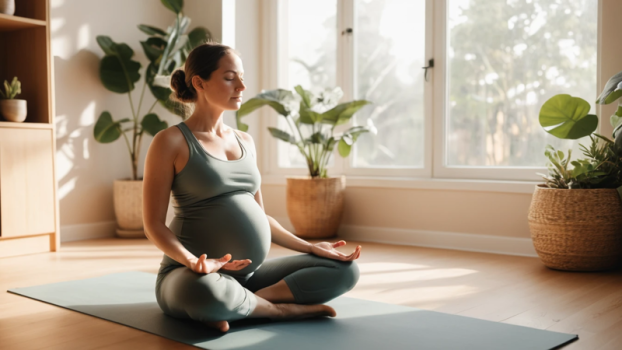
how to prepare for labor naturally with simple steps, breathing tips, exercises, and mindset shifts for a calmer birth experience.
Preparing for labor naturally means supporting your body with healthy habits, gentle movement, breathing techniques, and a calm mindset. It focuses on trusting your body, reducing fear, and improving comfort so labor feels more manageable, safe, and emotionally balanced without unnecessary stress or pressure.
How to Prepare For Labor Naturally: A Calm, Simple, And Empowering Guide 🌿
Ever wondered if your body already knows exactly what to do during labor—but you just need to support it the right way?
Yes, it does.
Learning how to prepare for labor naturally is all about working with your body, not against it. It includes nutrition, movement, mindset, breathing, and emotional readiness. The goal is simple: feel calm, confident, and ready when the big day arrives.
Let’s break it all down step by step in a way that feels easy, real, and doable.
Understanding Natural Labor Preparation 🌿
Natural labor preparation means getting your body and mind ready without heavy medical interventions. It focuses on balance, wellness, and trust in your body’s process.
Your body already knows how to give birth. But lifestyle habits can either support or slow it down. That’s why small daily choices matter so much.
Think of it like training for a marathon. You don’t rush it. You prepare slowly, gently, and consistently.
Why Preparing Naturally Matters 🧘
Natural preparation helps reduce fear and tension. Fear can make labor feel harder than it needs to be. Relaxation does the opposite.
It also helps improve stamina and emotional control. You’ll likely feel more grounded when contractions begin. That can make a big difference in comfort levels.
Most importantly, it helps you trust yourself. That trust often becomes your strongest tool during labor.
Know Your Body Signs of Labor 🤰
Understanding your body’s signals is a huge part of preparation. These signs show your body is getting ready.
Common signs include:
- Lightening (baby dropping lower)
- Mild contractions
- Increased back pressure
- Loss of mucus plug
These signs don’t always happen in order. But they help you stay aware and calm instead of panicking.
Listen to your body closely. It often speaks before labor fully begins.
Nutrition For Labor Preparation 🥗
Eating well gives your body strength for labor. Think of food as fuel for endurance and recovery.
Focus on whole foods like fruits, vegetables, and lean proteins. Stay hydrated with water and natural fluids.
Avoid heavy processed foods that slow digestion and energy levels.
Healthy Pregnancy Nutrition Guide
| Food Type | Why It Helps Labor Prep | Examples |
| Protein Foods | Builds strength and stamina | Eggs, lentils, chicken |
| Healthy Fats | Supports hormones & energy | Avocado, nuts, seeds |
| Fiber Foods | Helps digestion & comfort | Oats, fruits, veggies |
| Hydration | Supports contractions & energy | Water, coconut water |
Eating right helps your body stay strong and flexible during labor.
Best Exercises For Labor Readiness 💪
Movement is one of the best natural ways to prepare for labor. It helps baby move into the right position.
Walking, squats, and gentle stretching are highly effective. They improve flexibility and pelvic strength.
Avoid intense workouts. Keep it soft and consistent.
Labor-Friendly Exercise Plan
| Exercise | Benefit | Time Needed |
| Walking | Encourages baby positioning | 20–30 mins |
| Squats | Opens pelvis naturally | 10–15 reps |
| Pelvic Tilts | Reduces back pain | 5–10 mins |
| Cat-Cow Stretch | Improves spine flexibility | 5 mins |
Consistency matters more than intensity.
Breathing Techniques For Labor Calm 🌬️
Breathing is your secret weapon during labor. It helps control pain and keeps your mind steady.
Slow, deep breathing sends oxygen to your muscles. This reduces tension and fear.
Try inhaling slowly through your nose and exhaling through your mouth. Keep it steady and rhythmic.
Practice daily so it becomes natural when labor begins.
Prenatal Yoga Benefits 🧘♀️
Prenatal yoga is a gentle way to prepare your body and mind. It improves flexibility and reduces stress.
It also helps open the hips and strengthen breathing control. Many mothers find it calming and grounding.
You don’t need advanced poses. Simple stretches are enough.
Even 15 minutes a day can make a big difference in comfort.
Mental Preparation And Mindset 🌈
Your mindset plays a huge role in how labor feels. A calm mind leads to a calmer body.
Try to replace fear with trust. Remind yourself that your body was designed for this moment.
Visualization helps too. Imagine a smooth, steady birth experience.
Positive thoughts reduce stress hormones and support natural progress.
Birth Plan Essentials 📋
A birth plan helps you stay organized and confident. It’s simply your preferences for labor and delivery.
Keep it flexible. Birth rarely follows a perfect script.
Include your comfort choices, breathing preferences, and support people.
Simple Birth Plan Checklist
- Preferred labor positions
- Pain management preferences
- Support person list
- Medical intervention wishes
- Post-birth bonding plan
A clear plan reduces confusion during labor.
Support System And Partner Role 🤝
A strong support system makes labor easier emotionally. You don’t have to do it alone.
Your partner or support person can help with breathing reminders, comfort, and encouragement.
Their calm energy can influence yours. Choose people who make you feel safe.
Communication is key before labor begins.
Natural Pain Management Options 🌸
There are many natural ways to handle labor discomfort. These methods reduce tension without medication.
Warm showers, massage, and movement help a lot. So does changing positions frequently.
Focus on staying relaxed rather than resisting pain.
Pain is often a sign of progress, not danger.
Natural Pain Relief Options
| Method | How It Helps | Best Time |
| Warm Water | Relaxes muscles | Early labor |
| Massage | Reduces tension | Active labor |
| Movement | Improves comfort | Anytime |
| Breathing | Controls pain response | All stages |
Try different methods and see what works best for you.
Pelvic Floor Strengthening 🍑
Strong pelvic muscles support smoother labor. They also help recovery after birth.
Kegel exercises are the most common option. They are simple but powerful.
You can do them anywhere without equipment.
Practice daily for best results.
Sleep And Rest Before Labor 😴
Rest is often overlooked but extremely important. Your body needs energy for labor.
Try to sleep well in the final weeks. Take naps when needed.
Avoid stress before bedtime. Light stretching or reading can help.
A rested body handles contractions better.
What To Pack And Prepare At Home 🎒
Being prepared reduces last-minute stress. Pack your hospital bag early.
Include comfort items like clothes, snacks, and hygiene products.
Also prepare your home for your return.
Keep things simple and organized.
When To Go To Hospital Signs 🚨
Knowing when to go is important. It prevents confusion and panic.
Regular contractions, water breaking, or strong pain are key signs.
Don’t rush too early unless advised by your doctor.
Stay calm and observe patterns carefully.
Common Myths About Natural Labor ❌
Many myths surround natural childbirth. These can create unnecessary fear.
One myth is that natural labor is always unbearable. In reality, many women manage it well with preparation.
Another myth is that movement slows labor. Actually, it often helps progress.
Stay informed and trust reliable guidance.
Conclusion 🌼
Learning how to prepare for labor naturally is about balance, trust, and gentle habits. It’s not about perfection. It’s about progress.
When you focus on nutrition, movement, breathing, and mindset, your body becomes more prepared and confident. Labor becomes less about fear and more about flow. Trust yourself—you are more ready than you think.
FAQs 🤰
How to prepare for labor naturally at home?
Start with gentle exercise, healthy eating, and breathing practice. These habits build strength and calm. Consistency matters more than intensity.
What exercises help natural labor most?
Walking, squats, and pelvic stretches are most effective. They help position the baby and improve flexibility. Keep movements gentle and steady.
Can breathing reduce labor pain?
Yes, controlled breathing helps manage contractions. It reduces stress and keeps oxygen flowing. This makes pain more manageable.
When should I start labor preparation?
You can start anytime during pregnancy. The earlier you begin, the better your body adapts. Even small daily habits help.
What foods help prepare for labor?
Protein-rich and fiber-rich foods are best. They support energy and digestion. Hydration is equally important.