Rohan
Rohan
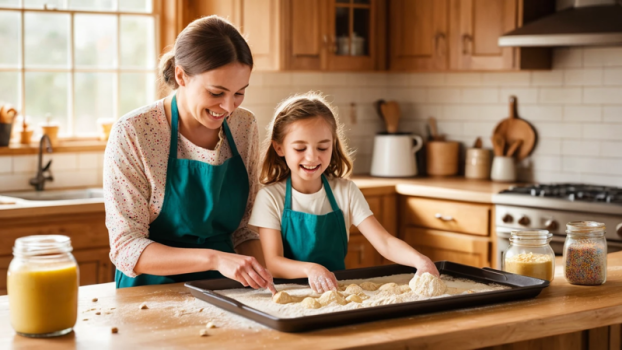
Baking as a bonding experience with kids builds love, life skills, and happy memories in the kitchen. Discover fun, easy ways to connect today.
Baking as a bonding experience with kids creates sweet memories, builds life skills, and strengthens family ties. When you bake together, you teach patience, teamwork, and creativity. Simple recipes turn into meaningful moments. The kitchen becomes more than a cooking space—it becomes a place for connection.
Baking As A Bonding Experience With Kids
Have you ever noticed how kids light up when they get to stir the bowl or crack an egg?
Baking as a bonding experience with kids is one of the simplest ways to connect at home. It blends fun, learning, and love into one cozy activity. You do not need fancy tools or skills. You just need time, patience, and a little flour on the counter.
When families bake together, they create shared moments. These moments stick in a child’s memory for years. The smell of cookies can remind them of laughter. The mess on the counter becomes part of the story. That is the magic of baking together. 💛
Why Baking Brings Families Closer ❤️
Baking slows life down. In a world full of screens and busy schedules, the kitchen invites you to pause. You measure, mix, and wait together. That shared time builds emotional connection. Kids feel seen and valued.
When children help in the kitchen, they feel important. They are not just watching. They are doing. This sense of responsibility strengthens trust. It tells them, “You matter here.”
Simple actions create powerful feelings:
- Stirring the batter together
- Tasting frosting from a spoon
- Decorating cupcakes side by side
- Cleaning up as a team
These little moments grow into strong family bonds.
The Emotional Benefits Of Baking Together 😊
Baking helps kids express feelings. Some children talk more when their hands are busy. While mixing dough, they might share school stories. While rolling cookies, they may talk about friendships. The kitchen feels safe.
There is also pride involved. When kids see the finished cake, they feel accomplished. That confidence builds self-esteem. It shows them they can start something and finish it.
Baking together also reduces stress. The rhythm of measuring and mixing feels calming. Warm smells fill the home. Everyone feels more relaxed. It is comfort in its sweetest form.
Life Skills Kids Learn In The Kitchen 🧁
Baking is not just fun. It teaches real-life skills. Kids learn math without even knowing it. They count cups and measure teaspoons. They follow steps in order.
Here are some important skills children develop:
- Basic math skills
- Reading comprehension
- Time management
- Patience and focus
- Problem-solving
They also learn safety rules. They understand hot ovens and sharp tools. These lessons build responsibility. Over time, they become more independent.
| Skill Learned | How Baking Teaches It | Why It Matters |
| Math | Measuring ingredients | Builds confidence in numbers |
| Reading | Following recipes | Improves comprehension |
| Teamwork | Sharing tasks | Strengthens social skills |
| Patience | Waiting for baking | Develops self-control |
Choosing Age-Appropriate Tasks 👩🍳
Not every child can handle the same job. That is okay. Assign tasks based on age and ability. Younger kids can pour pre-measured ingredients. Older kids can crack eggs or use mixers.
For toddlers, focus on simple actions. Let them stir or sprinkle toppings. For elementary-age kids, try measuring flour or shaping dough. Teens can handle full recipes with supervision.
This approach keeps everyone safe and engaged. It prevents frustration. Most importantly, it keeps baking fun.
Simple Recipes To Start With 🍪
If you are new to baking with kids, start simple. Choose recipes with fewer steps. Think cookies, muffins, or brownies. These are quick and forgiving.
Great beginner options include:
- Chocolate chip cookies
- Banana bread
- No-bake energy bites
- Vanilla cupcakes
- Sugar cookies for decorating
These recipes allow creativity. Kids love adding sprinkles or chocolate chips. They also offer quick results. Waiting too long can test patience, especially for younger children.
Creating A Positive Kitchen Environment 🌈
The mood in the kitchen matters. If you stress over spills, kids may feel nervous. Instead, expect mess. Embrace it. Lay down parchment paper or use easy-clean mats.
Use kind words and gentle guidance. If something goes wrong, treat it as a lesson. Burned cookies? Laugh and try again. Cooking mistakes teach resilience.
Set clear but simple rules:
- Wash hands before starting
- No running in the kitchen
- Ask before touching hot items
- Clean up together
A safe, happy space builds trust.
Building Traditions Through Baking 🎄
Baking can become a family tradition. Maybe you bake pumpkin pie every Thanksgiving. Or sugar cookies every December. Traditions create stability and comfort.
Children look forward to these moments. They remember them as adults. Seasonal baking becomes part of your family story.
Here are a few tradition ideas:
- Birthday cake made together
- First-day-of-school cupcakes
- Weekend pancake mornings
- Holiday cookie decorating night
These rituals strengthen family identity. They create memories that last forever.
How Baking Boosts Communication Skills 💬
When you bake together, you talk. You ask questions. You give instructions. Kids practice listening and responding.
They learn new words like “whisk,” “fold,” and “preheat.” This builds vocabulary. It also strengthens confidence in speaking.
Conversations flow naturally in the kitchen. You are not forcing serious talks. You are sharing space and time. That comfort encourages openness.
Teaching Healthy Eating Habits 🥕
Baking can also teach nutrition. Talk about ingredients. Explain why whole grains or less sugar matter. Let kids explore healthier swaps.
You can experiment together:
- Replace white flour with whole wheat
- Use honey instead of sugar
- Add fruits to muffins
- Try dairy-free options
When kids help prepare food, they are more likely to eat it. They feel ownership. They understand what goes into their snacks.
| Ingredient Swap | Health Benefit | Kid-Friendly Tip |
| Applesauce for Oil | Less fat | Adds natural sweetness |
| Whole Wheat Flour | More fiber | Mix half with white flour |
| Greek Yogurt | More protein | Great in muffins |
| Dark Chocolate | Less sugar | Rich flavor kids enjoy |
Encouraging Creativity And Imagination 🎨
Baking is like edible art. Kids love decorating. Give them icing, sprinkles, and fruits. Let them design their own cupcakes.
Creative freedom builds confidence. It shows them there is no single “right way.” Some cookies may look messy. That is okay.
You can turn baking into a theme day. Make dinosaur cookies or rainbow cupcakes. Play music while decorating. Add joy to the process.
Strengthening Patience And Delayed Gratification ⏳
One of the hardest lessons for kids is waiting. Baking naturally teaches this. You mix, then you wait. The oven timer becomes a lesson in patience.
Explain what is happening inside the oven. Talk about how heat changes the batter. This makes waiting educational.
When the timer rings, the reward feels bigger. That warm cookie tastes even better because they waited for it. Patience becomes sweet.
Managing Mess Without Stress 🧽
Let us be honest. Baking with kids gets messy. Flour spills. Batter drips. Sprinkles scatter everywhere. But mess is part of learning.
Prepare ahead:
- Wear aprons
- Clear extra clutter
- Keep towels nearby
- Use large mixing bowls
Teach kids to clean as they go. Make cleanup a team effort. This builds responsibility. It also keeps frustration low.
Making Baking A Screen-Free Activity 📵
Today’s kids spend many hours on screens. Baking offers a healthy break. It engages all senses. They touch, smell, taste, and see.
Screen-free time improves attention span. It supports emotional growth. It encourages face-to-face interaction.
Instead of watching cooking videos, try creating your own kitchen show at home. Let your child “host” while you film. It keeps the experience active, not passive.
Turning Mistakes Into Teachable Moments 🌟
Not every recipe will turn out perfect. That is normal. Sometimes cakes sink. Sometimes cookies burn. Use these moments to teach resilience.
Say things like, “What can we try differently next time?” This encourages problem-solving. It shifts focus from failure to learning.
Mistakes in the kitchen mirror real life. Kids learn that errors are not the end. They are steps toward improvement.
Building Confidence Through Small Wins 🏆
Every completed recipe builds confidence. Even stirring batter counts. Praise effort, not just results.
Say, “You measured that perfectly!” or “Great teamwork today!” Positive feedback builds self-worth.
Over time, kids may ask to bake alone. That independence shows growth. It means your bonding time worked.
| Confidence Builder | How It Helps Kids | Long-Term Impact |
| Completing Recipes | Sense of achievement | Strong self-esteem |
| Positive Praise | Encourages effort | Growth mindset |
| Trying New Recipes | Builds courage | Adaptability |
| Leading A Recipe | Develops leadership | Independence |
Baking On A Budget 💰
You do not need expensive ingredients. Simple pantry items work best. Flour, sugar, eggs, and butter go a long way.
Plan recipes around what you have. This teaches smart spending. It also sparks creativity.
You can even turn it into a budgeting lesson. Give kids a small amount and ask them to plan a recipe. They learn value and decision-making.
Making Memories That Last A Lifetime 💕
Years from now, your child may not remember every toy. But they will remember baking cookies with you. They will remember laughing over spilled flour.
These memories shape family identity. They create emotional security. They build a sense of belonging.
The kitchen becomes more than a room. It becomes a place of love, growth, and connection.
Conclusion
Baking as a bonding experience with kids is simple yet meaningful. It builds emotional connection, teaches life skills, and creates joyful traditions. The kitchen becomes a classroom and a safe space. Even small recipes can create big memories.
You do not need perfection. You just need presence. Start with one easy recipe. Invite your child to help. The sweetest reward will not be the cake. It will be the bond you build together.
FAQs
How Can Baking Strengthen Parent Child Bond?
Baking creates shared time without distractions. It encourages teamwork and communication. These moments build trust and emotional closeness.
What Are Easy Baking Recipes For Kids?
Start with cookies, brownies, or muffins. Choose recipes with simple steps. Quick results keep children engaged and excited.
At What Age Can Kids Start Baking?
Children as young as two can help stir. Older kids can measure and mix. Always supervise for safety.
How Does Baking Help Child Development?
Baking improves math, reading, and motor skills. It also boosts patience and confidence. Kids learn responsibility in a fun way.
How Often Should Families Bake Together?
Even once a month makes a difference. Consistency matters more than frequency. Choose a schedule that feels relaxed and enjoyable.