Rohan
Rohan
How to build kids’ study habits with simple routines, fun strategies, and proven tips parents can use every day for success.
Building kids’ study habits starts with consistent routines, a distraction-free space, and positive reinforcement. Keep sessions short, fun, and structured. Encourage curiosity, reward effort, and stay involved. Over time, these small daily actions turn into strong, lifelong learning habits.
How To Build Kids’ Study Habits
Ever wonder why some kids enjoy studying while others avoid it like homework is a monster? 🤔
The truth is simple. Kids are not born with study habits. They learn them step by step. And yes, you can guide that process.
Building strong study habits in kids means creating structure, making learning fun, and staying consistent. When done right, studying stops feeling like a chore and becomes a natural part of their day.
Let’s break it down into simple, easy steps you can actually use.
Why Study Habits Matter Early 📚
Good study habits shape how kids learn for life. They build discipline, focus, and confidence. These skills go far beyond school.
Kids who develop habits early often feel less stress. They know how to manage time and finish tasks. This gives them a sense of control.
When kids struggle without habits, learning feels overwhelming. But with structure, even hard subjects feel manageable.
Understand Your Child’s Learning Style 🧠
Every child learns differently. Some love visuals. Others prefer listening or doing.
Watch how your child reacts during study time. Do they enjoy videos? Do they like reading aloud? These clues matter.
Try mixing styles:
- Visual: charts, diagrams
- Auditory: reading aloud
- Kinesthetic: hands-on activities
When learning matches their style, it feels easier and more fun.
Create A Consistent Study Routine ⏰
Consistency is the secret sauce. Kids thrive on routines.
Set a fixed time every day for studying. It could be after school or after a snack break.
Keep it simple:
- Same time daily
- Same study space
- Same order of tasks
Over time, their brain will expect study time. That’s when habits begin to stick.
Set Up A Distraction-Free Study Space 🏡
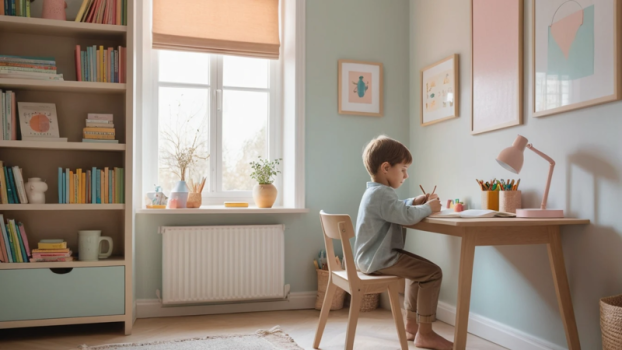
A clean and quiet space makes a big difference. Kids focus better without distractions.
Choose a spot with:
- Good lighting
- Comfortable seating
- Minimal noise
Remove things like toys, TV, or mobile phones. Keep only study materials nearby.
A calm space helps kids stay on track longer.
Break Study Time Into Small Sessions ⏳
Long study hours don’t work for kids. They lose focus quickly.
Instead, use short sessions like:
- 20–30 minutes of study
- 5–10 minutes break
This keeps their brain fresh and active. It also prevents burnout.
Short bursts of focus are more effective than long, tiring sessions.
Make Learning Fun And Engaging 🎨
Let’s be honest. Kids hate boring tasks. So make studying fun!
Turn lessons into games or challenges. Use colors, stickers, or rewards.
Try ideas like:
- Quiz games
- Flashcards
- Learning apps
When learning feels like play, kids naturally stay engaged.
Use Positive Reinforcement ⭐
Kids respond well to praise and rewards.
Celebrate small wins. Even completing homework deserves appreciation.
You can use:
- Verbal praise
- Stickers or stars
- Extra playtime
“Great job finishing your work!” goes a long way.
Positive feedback builds motivation and confidence.
Teach Time Management Skills 🕒
Kids need help managing time. They don’t naturally know how.
Start with simple steps:
- Use a timer
- Create a daily checklist
- Set small goals
This helps them understand how long tasks take.
Over time, they learn to plan and manage their workload independently.
Encourage Independence Gradually 🚀
Don’t do everything for your child. Guide them instead.
Start by helping them organize tasks. Then slowly step back.
Let them:
- Pack their school bag
- Plan study tasks
- Solve problems on their own
Independence builds responsibility and confidence.
Build A Homework Routine 📖
Homework should not feel like a surprise every day.
Create a clear routine:
- Snack break
- Homework time
- Review work
- Free time
This structure removes confusion. Kids know what comes next.
Limit Screen Time During Study 📵
Screens are the biggest distraction today.
Set clear rules:
- No phones during study
- Limited TV time
- Use devices only for learning
Too much screen time affects focus and memory.
Balance is key.
Stay Involved Without Pressure 🤝
Kids need support, not pressure.
Ask about their day. Sit with them sometimes. Show interest.
Avoid constant nagging. Instead, guide gently.
A supportive environment helps kids feel safe and motivated.
Teach Goal Setting Skills 🎯
Goals give direction. Even kids can set simple goals.
Start with small ones:
- Finish homework on time
- Improve in one subject
Write goals down. Track progress together.
When kids achieve goals, they feel proud and motivated.
Create A Weekly Study Plan 🗓️
Planning makes everything easier.
Here’s a simple example:
| Day | Subject Focus | Time |
| Monday | Math | 30 mins |
| Tuesday | Reading | 30 mins |
| Wednesday | Science | 30 mins |
| Thursday | Writing | 30 mins |
| Friday | Revision | 30 mins |
This keeps learning balanced and organized.
Balance Study And Play ⚽
Kids need playtime just as much as study time.
Too much studying leads to burnout. Too much play leads to poor habits.
Find the balance:
- Study first
- Play later as a reward
This creates a healthy routine.
Use Rewards Wisely 🎁
Rewards can boost motivation. But don’t overdo it.
Use rewards for effort, not just results.
Examples:
- Completing tasks
- Staying focused
- Trying hard
Avoid making rewards the only reason to study.
Track Progress Regularly 📊
Tracking helps you see improvement.
Use simple tools like:
- Checklists
- Charts
- Weekly reviews
Here’s an example:
| Task | Completed | Notes |
| Homework | Yes | Done on time |
| Reading | No | Needs improvement |
| Revision | Yes | Good effort |
This keeps both you and your child aware of progress.
Handle Study Resistance Calmly 😌
Sometimes kids resist studying. It’s normal.
Don’t react with anger. Try to understand why.
Common reasons:
- Tiredness
- Difficulty understanding
- Boredom
Talk calmly. Offer help. Break tasks into smaller steps.
Encourage Curiosity And Questions 💡
Learning is not just about books.
Encourage kids to ask questions. Let them explore.
Say things like:
- “What do you think?”
- “Why do you think that happened?”
Curiosity builds deeper understanding and love for learning.
Build Long-Term Consistency 🔁
Habits don’t form overnight. They take time.
Stay consistent. Even on busy days, keep the routine.
Small daily efforts lead to big results.
Remember, progress matters more than perfection.
Compare Good Vs Poor Study Habits ⚖️
| Good Habits | Poor Habits |
| Fixed routine | Random study times |
| Focused sessions | Constant distractions |
| Organized space | Messy environment |
| Positive mindset | Avoidance behavior |
| Goal setting | No planning |
This simple comparison shows what to aim for.
Conclusion 🌟
Building kids’ study habits is not about strict rules. It’s about creating a supportive system.
Start small. Stay consistent. Keep it fun.
Focus on routines, positive reinforcement, and independence. Over time, your child will develop habits that last a lifetime.
And remember—every child learns at their own pace. Your job is to guide, not rush.
FAQs
How To Build Study Habits In Kids At Home?
Start with a fixed daily routine and a quiet study space. Keep sessions short and engaging. Use praise and small rewards to encourage consistency.
What Is The Best Study Routine For Kids?
A good routine includes short study sessions, breaks, and review time. It should happen at the same time daily. Consistency is more important than duration.
How Can I Motivate My Child To Study Daily?
Use positive reinforcement and make learning fun. Set small goals and celebrate achievements. Stay involved without putting pressure.
At What Age Should Study Habits Start?
Study habits can start as early as preschool. Simple routines and structured play help. Early habits make learning easier later.
How To Improve Focus In Kids During Study Time?
Reduce distractions and use short study sessions. Give breaks between tasks. Encourage active learning like quizzes or games.