Rohan
Rohan
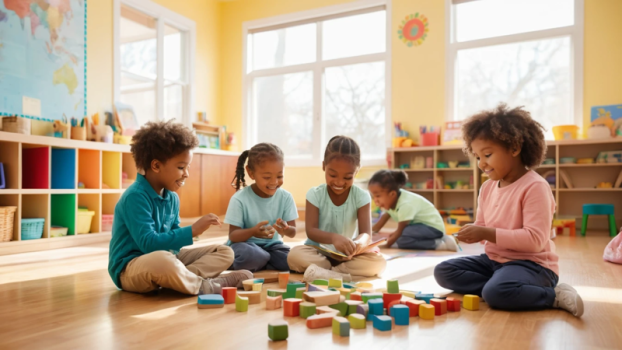
Screen-free activities for preschool-aged kids that boost creativity, learning, and bonding. Fun, simple ideas parents can use every day.
Screen-free activities for preschool-aged kids help build creativity, language, motor skills, and emotional growth. These include indoor play, outdoor exploration, crafts, music, storytelling, and simple household tasks. They keep children engaged while supporting healthy brain development without relying on digital devices.
Screen-Free Activities For Preschool-Aged Kids: Fun Guide
Have you ever noticed how quickly kids get glued to screens these days? What if the best learning moments don’t come from a tablet at all?
Screen-free activities for preschool-aged kids are simple, hands-on experiences that build creativity, thinking skills, and emotional growth. They include play-based learning, outdoor adventures, crafts, storytelling, and real-world exploration that keeps young minds active and healthy.
Why Screen-Free Play Matters For Preschoolers 🌱
Screen-free play helps children develop essential life skills naturally. It encourages imagination, problem-solving, and independence. Kids learn better when they interact with real objects and people.
Too much screen time can slow down communication and social growth. That’s why balanced play is important for early childhood development.
Understanding Preschool Development Needs 🧠
Preschool-aged kids learn best through hands-on experiences. Their brains are growing fast, and every activity shapes their thinking patterns. Movement, touch, and interaction help build strong neural connections.
They also need emotional support and social learning. Screen-free play gives them space to explore feelings and relationships in a safe way.
Simple Indoor Imaginative Play Ideas 🏠
Imaginative play turns everyday spaces into learning zones. Kids love pretending to be chefs, doctors, or astronauts. It boosts creativity and storytelling skills.
You can set up simple play stations at home. Use toys, pillows, and household items for role-play activities.
- Pretend kitchen cooking 🍳
- Toy doctor clinic
- Superhero missions
- Puppet shows
These games build communication and confidence in a fun way.
Outdoor Adventures Without Screens 🌳
Outdoor play gives kids fresh air and physical activity. It strengthens muscles and improves coordination. Nature also sparks curiosity and exploration.
Let children run, jump, and observe their surroundings freely. Even a backyard can become a learning playground.
| Outdoor Activity | Skill Developed | Materials Needed |
| Nature Walk | Observation skills | None |
| Bubble Chase | Motor skills | Bubble kit |
| Garden Play | Responsibility | Small tools |
| Treasure Hunt | Problem-solving | Simple clues |
Creative Arts And Crafts Activities 🎨
Arts and crafts help kids express emotions visually. They improve hand-eye coordination and focus. There is no right or wrong in creative expression.
Simple materials work best for preschoolers. Paper, crayons, glue, and recycled items are perfect.
Try activities like:
- Finger painting
- Paper collage
- Clay modeling
- Color sorting crafts
These activities also boost patience and attention span.
Sensory Play That Builds Brain Skills ✋
Sensory play engages touch, smell, sight, and sound. It helps children understand the world better. It also supports language development and cognitive growth.
Kids enjoy exploring different textures and materials.
Examples include:
- Rice or sand bins
- Water play bowls
- Foam and slime play
- Fabric texture games
These activities calm children while improving focus.
Storytelling And Reading Time Fun 📚
Storytelling builds imagination and vocabulary. Reading together creates strong emotional bonds. Kids learn new words and ideas through stories.
Make reading interactive and fun. Use voices, actions, and expressions.
You can:
- Ask questions during stories
- Let kids finish sentences
- Create alternate endings
- Use picture books
This builds early literacy skills naturally.
Music And Movement Activities At Home 🎶
Music helps children develop rhythm and coordination. Movement activities improve balance and energy control. Together, they create joyful learning experiences.
Let kids dance, sing, and move freely. No strict rules are needed.
Fun ideas include:
- Freeze dance games
- Singing nursery rhymes
- Hand-clap rhythms
- Simple yoga poses 🧘
These activities also improve memory and listening skills.
Learning Through Household Chores 🧺
Household chores can be powerful learning tools. They teach responsibility and independence. Kids feel proud when they help at home.
Turn tasks into fun challenges to keep them engaged.
| Chore Activity | Learning Benefit | Fun Twist |
| Sorting laundry | Color recognition | Timer challenge |
| Cleaning toys | Responsibility | Race game |
| Setting table | Organization | Role-play dinner |
| Watering plants | Nature care | Growth tracking |
These simple tasks build lifelong habits.
Nature-Based Learning Experiences 🌼
Nature offers endless learning opportunities. Kids learn science, observation, and curiosity through outdoor exploration. Every leaf, bug, or stone becomes a lesson.
Encourage kids to ask questions while exploring.
Activities include:
- Collecting leaves
- Watching insects
- Cloud watching ☁️
- Rock sorting
Nature builds patience and appreciation for the environment.
DIY Games Using Everyday Items 🧩
You don’t need expensive toys for fun learning. Everyday household items can become exciting games. This encourages creativity and problem-solving.
Simple ideas:
- Cardboard box maze
- Bottle bowling
- Spoon balancing race
- Paper cup stacking
These games also improve coordination and focus.
Social Play With Siblings And Friends 🤝
Social play teaches sharing, teamwork, and communication. Preschoolers learn how to cooperate and solve conflicts. It builds emotional intelligence early in life.
Group play helps kids understand social rules naturally.
Examples:
- Team building games
- Pretend group stories
- Sharing board games
- Outdoor group activities
These experiences strengthen friendships and confidence.
Calm Down Activities For Emotional Growth 😌
Children need calm moments to balance energy. Quiet activities help them understand emotions. They also improve self-control and patience.
Simple calming ideas work best.
| Calm Activity | Purpose | Time Needed |
| Deep breathing | Relaxation | 2–3 mins |
| Coloring books | Focus | 10–15 mins |
| Soft music listening | Mood control | Flexible |
| Quiet reading | Emotional balance | 5–10 mins |
These habits support emotional well-being.
Educational Play Without Devices 📖
Learning doesn’t need screens. Preschoolers absorb knowledge through play. Numbers, letters, and shapes can be taught creatively.
Make learning playful and interactive.
Try:
- Counting toys
- Alphabet scavenger hunts
- Shape sorting games
- Memory card play
This builds early academic confidence.
Parent-Child Bonding Activities ❤️
Strong bonding improves emotional security. Kids feel safe when parents play with them. Even short daily interactions make a big difference.
Simple shared activities matter most.
Ideas include:
- Cooking together
- Reading bedtime stories
- Walking together 🚶
- Playing pretend games
These moments create lifelong memories.
Daily Routine Ideas For Screen-Free Time ⏰
A structured routine helps reduce screen dependency. Kids feel secure when they know what comes next. Balance is the key to success.
A simple daily plan might include:
- Morning outdoor play
- Midday creative activity
- Afternoon rest or reading
- Evening family play
Consistency builds healthy habits naturally.
Building Lifelong Learning Habits Early 🌟
Screen-free activities shape how kids think and learn. They encourage curiosity, independence, and creativity. These skills last a lifetime.
The goal is not to remove screens completely. It is to create balance and healthy engagement.
When kids play, explore, and imagine freely, they grow into confident learners ready for the world.
Conclusion
Screen-free activities for preschool-aged kids are powerful tools for early development. They support creativity, emotional growth, physical health, and learning skills. From outdoor play to storytelling, every activity adds value to a child’s growth journey. Simple, consistent engagement makes the biggest difference.
FAQs
What are screen-free preschool activities?
They are hands-on play activities without devices. These include crafts, outdoor play, and storytelling. They support early learning and creativity.
Why is screen-free play important?
It helps kids develop social, emotional, and motor skills. It also encourages imagination and real-world learning. Balance is essential for healthy growth.
How much screen-free time daily?
Preschoolers should have most of their day screen-free. Short, supervised screen use is okay. Active play should be the main focus.
What are easy indoor activities?
Simple options include drawing, pretend play, building blocks, and reading. These keep kids engaged without screens. They also build important skills.
How to encourage screen-free habits?
Create routines and offer fun alternatives. Join your child in play activities. Consistency helps build long-term habits.