Rohan
Rohan

Homework tips for easily distracted kids that really work! Discover 15 fun, practical strategies to help your child focus and finish assignments stress-free.
Homework Tips for Easily Distracted Kids
Does your child struggle to finish even the simplest homework without getting distracted every five minutes?
You’re not alone—and there’s hope.
Homework can be tough for any kid. But if your child is easily distracted, it can feel like climbing Mount Everest blindfolded. Whether it’s a wandering mind, a case of the wiggles, or the irresistible lure of a nearby toy, staying focused is hard.
But here’s the good news: there are practical, simple things you can do today to help your child stay focused and actually finish their homework (without turning it into a nightly battle).
In this guide, you’ll learn:
- The most common reasons kids lose focus
- How to create the ideal homework setup
- 15 focus-boosting tips that are fun and easy to use
- Bonus tricks for kids with ADHD
- How to turn homework time into a win—for both of you 💪
Let’s dive in!
Why Do Kids Get So Distracted During Homework?
Kids have incredible brains—but they’re not fully grown yet. Skills like focus, impulse control, and staying on task grow over time. Some common causes of distraction include:
- Mental fatigue after school
- Lack of interest in the subject
- Too many stimuli in the environment
- Hunger, thirst, or discomfort
- Unclear instructions or expectations
- Underlying issues like ADHD or anxiety
Understanding why your child is distracted is the first step to solving the problem.
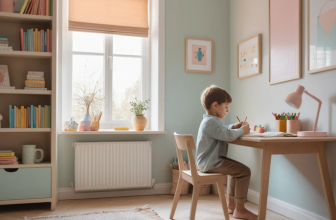
1. Create a Distraction-Free Homework Zone 🧘♀️
No TV, no toys, no chaos. Create a homework space that tells their brain, “It’s time to focus.”
Tips for setting it up:
- Choose a quiet corner or nook
- Use a small desk or table (not the couch or bed)
- Keep only the supplies they need
- Add a lamp for good lighting
- Remove clutter, posters, or visual distractions
Bonus tip: Let your child help decorate it! Ownership builds motivation.
2. Use the “Homework First” Rule (with a Twist)
Before screen time, snacks, or play, homework comes first. But add a twist to keep it positive:
📝 “Let’s knock this out first—then you can play Minecraft with zero guilt!”
Make the reward immediate and motivating.
3. Break It Down into Bite-Sized Tasks
Big assignments can overwhelm kids. Instead:
- Turn each assignment into smaller steps
- Use a checklist to track progress
- Celebrate each completed task
Example:
Instead of “Do your math worksheet,” say:
- “Write your name at the top.”
- “Do the first 5 problems.”
- “Take a 5-minute break.”
✅ Small wins build momentum.
4. Try the “20-5-20 Rule” to Keep Brains Fresh
Brains aren’t made for hours of sitting. Here’s a simple trick for kids:
- Work for 20 minutes
- Take a 5-minute break
- Do it up to 3 times, then stop
Use timers to keep things on track.
5. Use Movement Breaks to Boost Focus 🚶
Kids can’t sit for long. Add short breaks to help:
- Jumping jacks
- A dance party
- Walk the dog
- Stretching or yoga
These breaks refresh their minds.
6. Feed Their Brain First (Snacks Matter!)
Hunger hurts focus. Give a snack rich in protein before homework:
Smart snack ideas:
- Apple slices with peanut butter
- Cheese sticks
- Yogurt with berries
- Hummus and crackers
💡 Avoid sugary snacks—they can make focus worse.
7. Try “Focus Music” or Background Noise 🎧
Some kids need quiet. Others like soft sounds.
Try different things:
- Instrumental music
- Lo-fi beats
- Nature sounds (rain, birds, waves)
- White noise
🎵 Let your child pick what they like.
8. Turn Tasks into Games or Challenges
Make boring tasks fun. Try these ideas:
- “Race the Clock” – how many math problems in 5 minutes?
- “Homework Bingo” – complete tasks to fill a card
- “Beat Your Score” – improve on yesterday’s work
🏆 Kids love challenges—use them to help!
9. Use Visual Schedules and Planners
Visual cues help kids stay on track. They show what’s next.
| Task | Start Time | Done? |
|---|---|---|
| Snack & Setup | 3:30 PM | ⬜ |
| Math Homework | 3:45 PM | ⬜ |
| Reading | 4:10 PM | ⬜ |
| Break/Reward | 4:30 PM | ⬜ |
📅 Checklists make things clear and in control.
10. Limit After-School Screen Time (Until Homework’s Done)
TVs, tablets, and games can distract. Set a clear rule:
📵 “No screens until homework is done and checked.”
This helps build good habits and avoids fights.
11. Let Kids Pick the Order of Tasks
Give them a sense of control by asking:
“What do you want to start with—reading or math?”
Simple choices increase buy-in without sacrificing structure.
12. Use a Homework Buddy or Study Group
Sometimes, kids focus better with a peer. Try:
- Virtual study sessions via Zoom
- Doing homework alongside a sibling
- Inviting a neighbor over for a joint study session
👫 Just make sure the buddy isn’t a distraction themselves!
13. Keep Supplies Ready in a “Homework Toolbox”
Make one kit with everything they need—no more excuses to wander off:
Homework Toolbox Must-Haves:
- Pencils and sharpener
- Erasers
- Highlighters
- Sticky notes
- Calculator
- Ruler
- Fidget tool (if helpful)
🧰 When everything’s within arm’s reach, focus is easier.
14. Celebrate Progress, Not Perfection
Your kid isn’t a robot. Focus on effort, not flawless work.
🌟 Praise like:
“You stayed focused for 20 whole minutes—amazing!”
“I saw how hard you tried even when it got tricky.”
This builds internal motivation and self-esteem.
15. Try Special Focus Tools for ADHD or High Energy Kids
Some kids need extra support. Try:
- Fidget spinners or stress balls
- Standing desks or wobble stools
- Weighted lap pads
- Visual timers (like Time Timer)
| Focus Tool | Best For | Why It Works |
|---|---|---|
| Wobble cushion | Fidgety kids | Allows subtle movement while sitting |
| Visual timer | ADHD | Makes time feel real and visible |
| Noise-canceling headphones | Sensitive kids | Blocks out background distractions |
🧠 The right tool can change everything.
Conclusion: Helping Kids Focus Starts with Compassion
Here’s the truth: your child wants to do well—they just need a little help staying on track. With the right environment, clear expectations, and engaging strategies, homework doesn’t have to be a struggle.
Try a few of these tips at a time. See what works best for your child’s unique brain and personality.
And remember—you’re not just helping with homework. You’re building lifelong focus habits. 💕
FAQs
1. What if my child won’t do homework, no matter what I try?
Look for the real reason behind the refusal. It might be fear, frustration, or boredom. Sometimes, talking to a teacher or counselor can help find the root cause.
2. How long should homework take each day?
Homework should take about 10 minutes per grade level. For example, 3rd grade homework should take 30 minutes. If it’s taking longer, ask the teacher for help.
3. Are fidget toys helpful or just a distraction?
Fidget toys can help some kids focus. But for others, they might be a distraction. Try different toys and see what works best for your child.
4. What’s the best time to do homework?
Do homework right after a snack and a short break. This is usually when your child has the most energy.
5. Can technology help my child focus on homework?
Yes! Tools like visual timers and focus apps can help. Even text-to-speech software can be helpful for kids who have trouble staying focused.
Sources