Rohan
Rohan
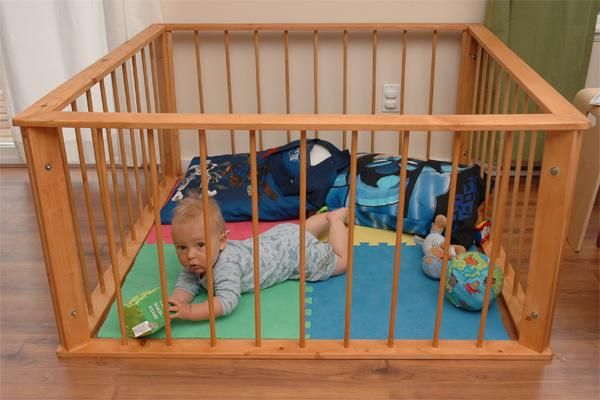
Safe playpen for your child – discover the best options, safety tips, and expert advice to keep your little one secure. Read this before you buy!
Get a Safe Playpen for Your Child – Here’s What Every Parent Needs to Know!
Do you ever feel like you need a second set of hands just to keep your toddler safe? 👶 If you’ve found yourself juggling chores while your little one gets into everything, you’re not alone.
That’s exactly why so many parents are turning to safe playpens. They are a simple but genius way to create a cozy, contained zone for your baby.
Let’s break it all down—how to choose a safe playpen, what features to look for, and how to make the best decision for your family.
🛡️ What Makes a Playpen Truly “Safe”?
Not all playpens are created equal. When you’re picking something that will hold your baby, safety has to come first. Here’s what defines a safe playpen:
- Sturdy frame: No wobbling or collapsing.
- Non-toxic materials: Free from BPA, phthalates, lead, and flame retardants.
- Mesh sides: For visibility and airflow.
- No sharp edges: Smooth corners and padded railings.
- Secure locking mechanism: Your baby shouldn’t be able to open it.
A good playpen will pass all U.S. safety standards, like those from the Consumer Product Safety Commission (CPSC).
🧸 Benefits of Using a Safe Playpen
A playpen isn’t just about boundaries—it’s about peace of mind ❤️. Here’s why parents swear by them:
- Keeps your baby contained while you cook, clean, or shower.
- Provides a safe space for independent play.
- Helps reduce accidents from unsupervised exploration.
- Offers portability for travel or outdoor use.
- Supports developmental milestones (rolling, crawling, sitting).
“A safe playpen gave me the confidence to step away for a few minutes and breathe.”
🏆 Features to Look for in a Safe Playpen
When shopping for the best option, make sure it includes these features:
- Durable construction (metal or hard plastic frame).
- Anti-slip base for hard floors.
- Padding or cushioned floor for baby comfort.
- Foldability for storage and travel.
- Locking gate if it’s a larger play yard.
- Appropriate height so baby can’t climb out.
Pro Tip: Choose a neutral color that blends with your decor and doesn’t overstimulate your baby.
🔄 Different Types of Playpens
There’s more than one type of playpen—each with its own perks:
| Type | Best For | Key Features |
|---|---|---|
| Classic Playpen | Everyday indoor use | Lightweight, mesh sides, foldable |
| Play Yard | Larger babies, toddlers | Modular panels, gate, sturdy build |
| Travel Playpen | On-the-go families | Compact, portable, quick setup |
| Bassinet Combo | Newborns | Elevated insert, multipurpose |
🛠️ Setting Up Your Playpen Safely
Even the best playpen can be risky if not used correctly. Here are some setup tips:
- Always place on a flat, level surface.
- Keep away from cords, curtains, and heaters.
- Don’t hang toys with long strings.
- Never place pillows or thick blankets inside.
- Lock all gates and check for loose latches.
Safety reminder: Babies can surprise you with their strength—always double-check the locks!
🧼 Cleaning and Maintenance Tips
Babies = mess. So your playpen needs to be easy to clean:
- Wipe down surfaces daily with a baby-safe cleaner.
- Wash fabric parts weekly.
- Sanitize after illness or diaper blowouts 🤢.
- Check for wear and tear monthly.
Invest in a playpen with machine-washable fabric if possible.
🏠 Best Places to Set Up a Playpen
Location matters! Here’s where your playpen works best:
- Living room: Great for supervised play.
- Home office: So you can work and keep baby nearby.
- Backyard or patio: For fresh air—just add shade ☀️.
- Grandparents’ house: Keep one there for visits!
👀 Watch Out for These Red Flags
Avoid these common safety hazards when buying a playpen:
- Sides that collapse easily.
- Rough or splintered edges.
- No safety certification.
- Openings that baby’s limbs can get stuck in.
- Cheap materials that tear or break quickly.
🧠 Developmental Benefits of Playpen Time
Playpens aren’t just safe—they’re smart. Babies benefit from:
- Learning independent play.
- Exploring textures and toys.
- Building motor skills.
- Developing a sense of boundaries.
“My baby learned to sit up and crawl inside her playpen before she did on the open floor!” 💪
💰 Price vs. Quality – What Should You Spend?
You don’t need to splurge, but here’s a breakdown:
| Price Range | What You Get |
| $50–$100 | Basic mesh playpen, smaller size |
| $100–$200 | Larger play yards, added features |
| $200+ | High-end brands, premium materials, accessories |
Stick to your budget, but prioritize safety certifications and durability.
🛍️ Best Safe Playpen Brands
Looking for a brand you can trust? Parents love:
- Graco Pack ‘n Play
- BabyBjörn Travel Crib
- Evenflo Versatile Play Space
- 4moms Breeze Plus
- Summer Infant Pop ‘n Play
Each has solid safety ratings and rave reviews.
1. Graco Pack ‘n Play
The Graco Pack ‘n Play is loved for being strong and useful. It has a bassinet and changing station. This makes it great for babies and toddlers.
Pros:
- It’s very versatile (has a bassinet and changing table)
- It lasts a long time
- It’s a trusted brand that’s easy to find
Cons:
- It’s heavier than some travel options
- Setting it up takes a bit longer
2. BabyBjörn Travel Crib
BabyBjörn crib/playpen is light and easy to set up. It’s perfect for traveling or living simply. The mesh sides let in air and you can see your baby.
Pros:
- It’s light and easy to carry
- It sets up and folds down quickly
- The fabric can be washed in a machine
Cons:
- It costs more than average
- It doesn’t have extras like storage or a bassinet
3. Evenflo Versatile Play Space
This play space is great for inside and outside. It has panels that can be connected and changed. It’s a favorite among parents with active kids.
Pros:
- It can be made bigger or smaller
- It’s good for outdoor use
- The plastic panels are easy to clean
Cons:
- It doesn’t have floor padding
- It’s big and hard to carry
4. 4moms Breeze Plus
The Breeze Plus is known for its easy open and close feature. It’s a modern playpen with a bassinet and changer. It’s a good choice for those who value convenience.
Pros:
- It opens and closes with one hand
- It looks stylish
- It comes with a bassinet and changer
Cons:
- It’s more expensive
- It’s heavier than most playpens
5. Summer Infant Pop ‘n Play
The Pop ‘n Play is perfect for parents who want something light and easy to carry. It’s great for outdoor fun or quick setups.
Pros:
- It’s very light and small
- It sets up fast
- It’s perfect for traveling and beach trips
Cons:
- It has less padding
- It’s not stable on uneven ground
Each has solid safety ratings and rave reviews.
🔍 Comparison Table: Best Playpens
| Brand/Model | Weight | Includes Bassinet? | Portability | Best For | Price Range |
|---|---|---|---|---|---|
| Graco Pack ‘n Play | Medium | ✅ Yes | Moderate | Everyday use, newborns | $$ |
| BabyBjörn Travel Crib | Light | ❌ No | ⭐ Very portable | Travel, small spaces | $$$ |
| Evenflo Play Space | Medium | ❌ No | Moderate | Outdoor play | $ |
| 4moms Breeze Plus | Heavy | ✅ Yes | Low | Modern parents, newborns | $$$$ |
| Summer Pop ‘n Play | Ultra-light | ❌ No | ⭐ Ultra-portable | Travel, outdoors | $ |
Choosing a safe playpen depends on your lifestyle:
- For daily use at home, pick the Graco Pack ‘n Play or 4moms Breeze Plus.
- Traveling a lot or living small? The BabyBjörn Travel Crib or Summer Pop ‘n Play is perfect.
- Looking for a play yard that grows with your toddler? The Evenflo Versatile Play Space is a great choice.
✅ Safety Certifications to Look For
Make sure your playpen meets or exceeds:
- ASTM International Standards
- CPSC Guidelines
- JPMA Certification (Juvenile Products Manufacturers Association)
If it’s missing these, it’s a no-go! ❌
📏 How Big Should Your Playpen Be?
Consider your space and your baby’s size:
- Standard size: 36″ x 36″
- Large play yard: Up to 60″ x 60″ or more
- Travel options: Compact for small rooms or hotels
You want enough space for movement, but not so big that supervision becomes tricky.
🔄 Alternatives to Playpens
Not sold on the idea of a playpen? Try these:
- Baby gates + play mat
- Portable bassinet for newborns
- Floor beds for Montessori-style parenting
- Babywearing for close contact
Every family is different—pick what fits your lifestyle 👪.
🤔 Common Playpen Questions Answered
Q: When can my baby start using a playpen?
A: Around 4–6 months, once they can hold their head up.
Q: How long can my child use it?
A: Until about 2–3 years old, depending on height and weight limits.
Q: Can I leave toys in the playpen?
A: Yes, but stick to soft, age-appropriate toys.
Q: Can my baby sleep in a playpen overnight?
A: Only if it’s specially made for sleep, like a Pack ‘n Play with a firm mattress.
Q: What should I avoid putting in the playpen?
A: No pillows, blankets, or cords—choking and suffocation hazards!
📝 Conclusion: Your Baby Deserves a Safe Spot to Grow
Parenting is tough—but a safe playpen can give you a breather. It gives your baby a cozy spot to thrive. With the right features, proper setup, and regular care, a playpen becomes more than just a baby product—it becomes a lifesaver. 🛟
So, if you’ve been wondering whether a playpen is worth it, the answer is a big YES! 🎉
Take your time, read the reviews, check those safety labels—and give your child the safe space they deserve.
🙋♀️ FAQs
1. Can I use a second-hand playpen?
Only if it meets current safety standards and shows no signs of damage.
2. Is it okay to use a playpen outdoors?
Yes—just make sure it’s on flat ground and shaded.
3. What if my baby cries in the playpen?
Start with short sessions and gradually increase time. Add favorite toys or a soft lovey.
4. Are there eco-friendly playpen options?
Absolutely! Look for bamboo or organic cotton models with non-toxic finishes.
5. Should I supervise my baby while they’re in the playpen?
Yes, always. Playpens reduce risk but don’t replace adult supervision.